Dos años después de que el halving de abril de 2024 redujera el subsidio por bloque de 6.25 BTC a 3.125 BTC, la industria de la minería de Bitcoin se ha establecido en un nuevo equilibrio, uno definido por márgenes comprimidos, demandas de eficiencia implacables y una clara divergencia entre los operadores que administran su hardware activamente y aquellos que no lo hacen.
Los números principales parecen saludables en la superficie. Bitcoin superó los $120,000 a mediados de 2025, el hashrate de la red superó 1 ZH/s a principios de 2026, y el hashrate global continúa subiendo a pesar de las reducciones relacionadas con el clima en las instalaciones de América del Norte. Pero debajo de los titulares, la economía unitaria de la minería ha cambiado de maneras que todo operador necesita comprender.
La Compresión de Eficiencia Post-Halving
El halving hizo exactamente lo que fue diseñado para hacer: obligó a las máquinas menos eficientes a desconectarse. Lo que menos se discute es cuán estrecha se ha vuelto la banda de eficiencia para una operación rentable.
La eficiencia de los ASIC de última generación se ve así en la línea de Antminer:
- Antminer S19 — 34.2 J/TH
- Antminer S19 Pro / S19j Pro — 29.5 J/TH
- Antminer S19 XP — 21.5 J/TH
- Antminer S21 — 17.5 J/TH
- Antminer S21 Pro — 15 J/TH
- Antminer S21 XP — 13.5 J/TH
La brecha entre el S19 original (34.2 J/TH) y el S21 XP (13.5 J/TH) es una mejora del 60% en la eficiencia en aproximadamente tres generaciones de hardware. Para un operador que ejecuta S19 más antiguos, cada kilovatio-hora produce menos de la mitad del hashrate de un competidor moderno, y la dificultad de la red recompensa proporcionalmente a la máquina más eficiente.
En términos simples: el hashrate por el que pagó cuando compró un S19 en 2022 vale menos hoy no porque el chip se haya degradado, sino porque la red a su alrededor se hizo más rápida.
Dónde se encuentra la línea de costos de electricidad
El número más importante en la economía minera de 2026 no es el precio de Bitcoin, sino su tarifa de electricidad por kWh. El análisis de la industria sitúa consistentemente el umbral de rentabilidad marginal alrededor de $0.07/kWh para hardware moderno, con máquinas de generación anterior que requieren tarifas de $0.05 o menos para alcanzar el punto de equilibrio.
A una tarifa residencial de $0.10/kWh, las matemáticas se vuelven implacables rápidamente. Un S19 XP bien mantenido funcionando a plena capacidad consumirá aproximadamente $220–260 en electricidad mensual, dependiendo de las condiciones ambientales. Después de las tarifas de pool y la depreciación del hardware, el margen neto con la dificultad y el precio actuales es escaso incluso para una máquina eficiente. Cambie esa misma máquina por un S19 Pro antiguo y los números se tiñen de rojo.
Esta es la incómoda realidad de la minería de 2026: la rentabilidad ya no es una cuestión de "¿subirá Bitcoin?". Es una cuestión de "¿es mi electricidad lo suficientemente barata y mi hardware lo suficientemente eficiente para sobrevivir al próximo ajuste de dificultad?".
El cálculo de reparación vs. reemplazo
Ante esta economía, muchos operadores se preguntan si deberían reemplazar su flota de S19 por hardware S21. La respuesta depende de un conjunto sorprendentemente específico de variables, pero la respuesta predeterminada para la mayoría de las operaciones de tamaño mediano es no, o al menos, todavía no.
He aquí el porqué: el gasto de capital requerido para reemplazar una flota de S19 XP en funcionamiento con S21 es sustancial, y el período de recuperación a los precios actuales de BTC y niveles de dificultad se extiende mucho más allá de lo que la mayoría de los operadores habían planeado. Mientras tanto, un S19 XP bien mantenido a 21.5 J/TH sigue siendo rentable con tarifas de electricidad por debajo de aproximadamente $0.065/kWh, y esas mismas tarifas de electricidad también harían que el S21 fuera cómodamente rentable.
El punto de decisión no es "eficiente vs. ineficiente". Es "capital invertido en nuevo hardware vs. capital preservado e invertido en el mantenimiento del hardware que ya posee".
Para la mayoría de los operadores, el mantenimiento gana. Los números se ven algo así:
- Reemplazar una placa hash completa en un S19 XP: unos pocos cientos de dólares en piezas
- Reemplazar la pasta térmica y los ventiladores degradados en un rack completo: menos de $100 por máquina
- Comprar un nuevo S21 para reemplazar ese S19 XP: varios miles de dólares más el envío
Una intervención de mantenimiento que restaura un S19 XP a su eficiencia original y extiende su vida útil por 12 a 18 meses es casi siempre la opción de mayor ROI en comparación con el reemplazo, especialmente si se considera el costo de oportunidad del capital.
Los factores de mantenimiento que realmente importan
No todo el mantenimiento ofrece los mismos beneficios. Según lo que vemos en miles de casos de reparación, estas son las intervenciones que más influyen en la rentabilidad:
Reemplazo del material de interfaz térmica. La pasta térmica aplicada de fábrica se seca después de 12 a 24 meses de funcionamiento continuo. Los chips que funcionan a 10 a 20 °C más de lo especificado se limitarán, reduciendo el hashrate efectivo y aumentando los J/TH en la operación real. Reemplazar el TIM degradado con un gel térmico de alta conductividad como el gel térmico G19 de 8W/mK a menudo restaura el 5-10% del hashrate perdido, mejorando directamente su relación J/TH sin cambiar un solo componente.
Reemplazo de ventiladores según el cronograma. Los rodamientos de los ventiladores son el elemento de desgaste más predecible en cualquier minero ASIC. Un ventilador que funciona por debajo de las RPM nominales reduce la refrigeración, provoca la limitación de los chips y provoca la degradación prematura de los mismos. Reemplazar los ventiladores de refrigeración de forma proactiva, antes de que fallen, es una de las acciones de mantenimiento de mayor impacto disponibles.
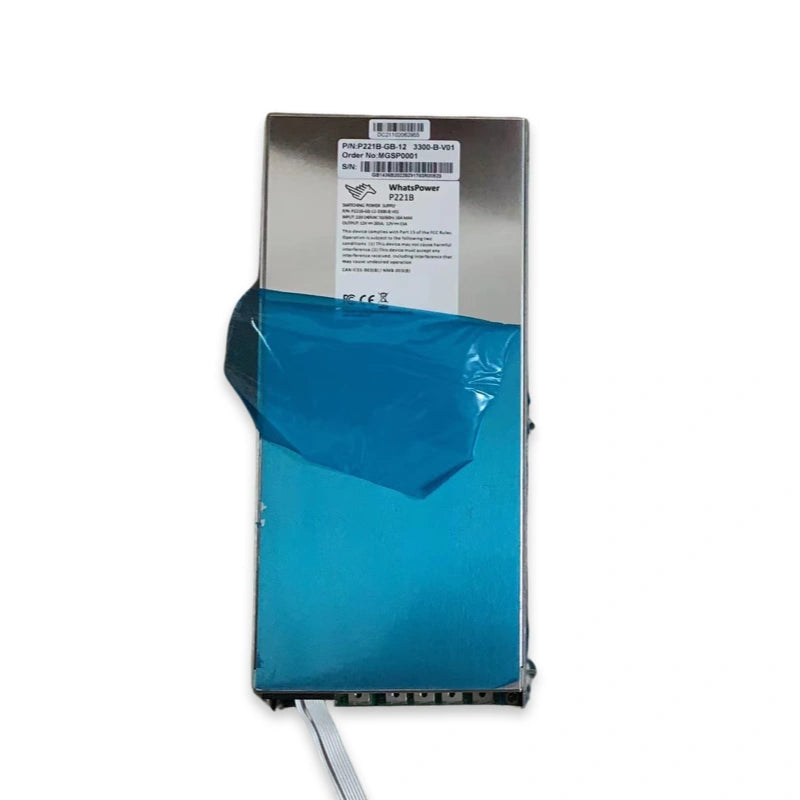
Prueba y reemplazo de la fuente de alimentación. Una fuente de alimentación envejecida que ya no puede suministrar un voltaje estable bajo carga provoca caídas intermitentes del hashrate que a menudo se atribuyen erróneamente a problemas de la placa hash. Un probador universal K8 puede diagnosticar la estabilidad de la fuente de alimentación antes de que una falla inutilice completamente una máquina.
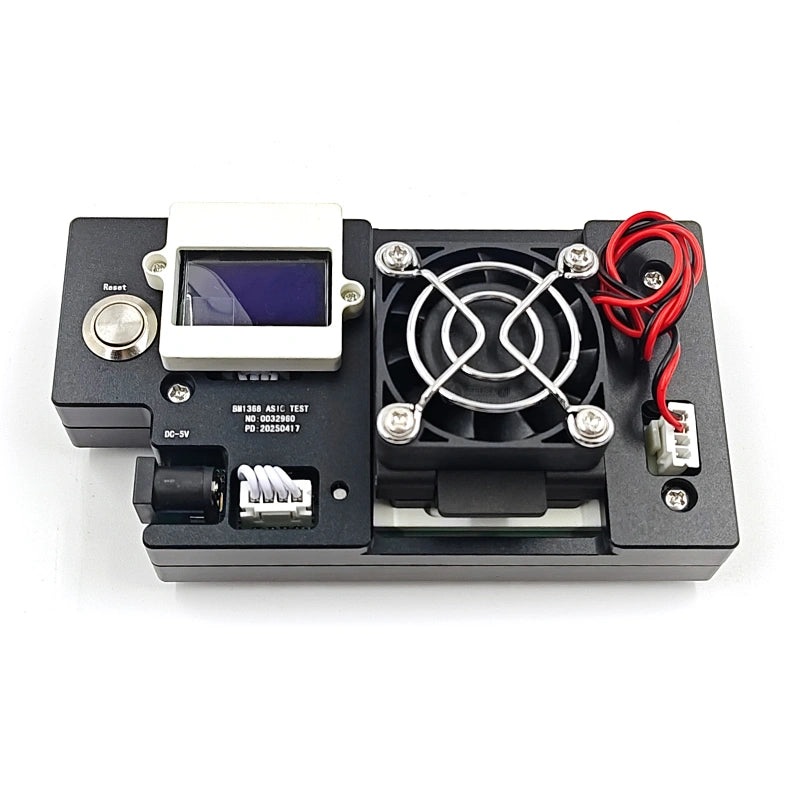
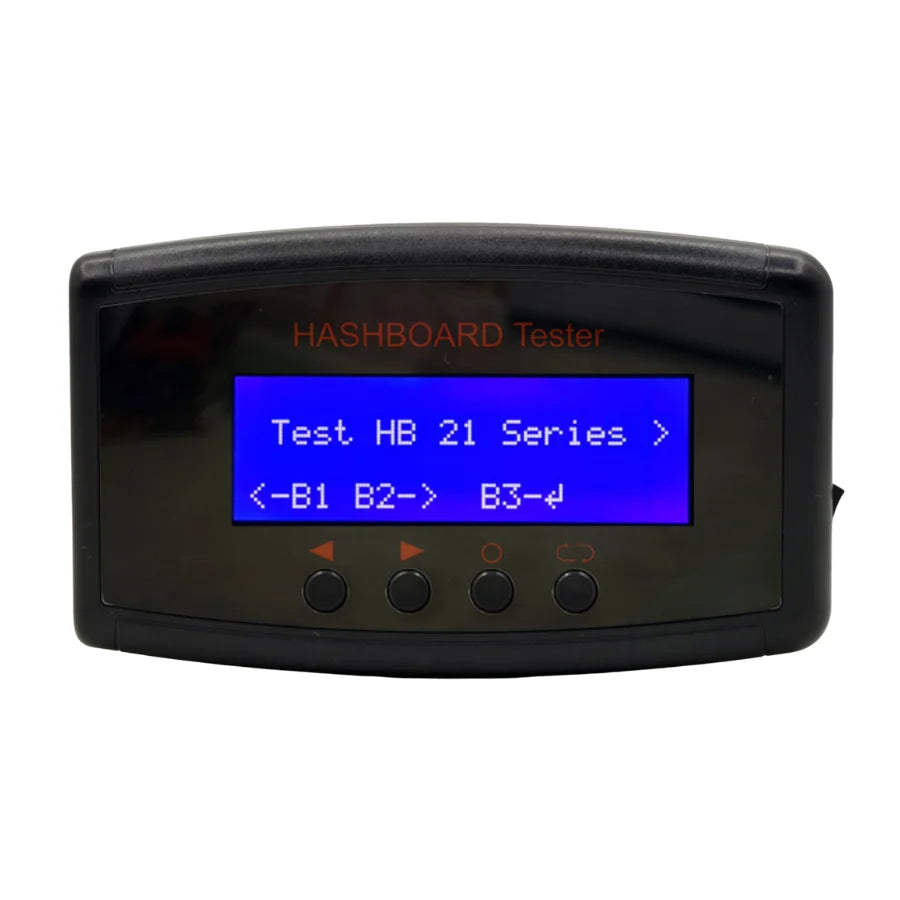
Reparación de placas hash a nivel de chip. Una placa hash con uno o dos chips defectuosos no es una placa hash muerta, es un trabajo de reparación. Los diagnósticos a nivel de chip con un probador multifuncional ASIC K9 pueden identificar la falla exacta en minutos, convirtiendo lo que de otro modo sería una placa desechada en una funcional por una fracción del costo de reemplazo.
Qué nos deparan los próximos 12 meses
El hashrate de la red seguirá aumentando a medida que se implemente hardware de clase S21 a escala. La dificultad seguirá ajustándose al alza. Los operadores que utilicen hardware más antiguo y con un mantenimiento deficiente serán los primeros en sufrir la presión, y esta será implacable.
Pero hay otra cara de la moneda: cada operador que abandona el mercado debido a la ineficiencia deja una cuota de hashrate sobre la mesa para los que se quedan. Los operadores que invierten en un mantenimiento disciplinado, herramientas de diagnóstico adecuadas y reemplazo oportuno de piezas se encontrarán con máquinas que son rentables mucho después de que sus competidores hayan retirado las suyas. La diferencia entre una máquina que muere a los 24 meses y una que funciona productivamente a los 48 meses es casi enteramente una función de cómo se mantuvo.
En 2026, la minería es un negocio de márgenes y el mantenimiento es una palanca de margen. Trátelo así.
Mantén tu flota eficiente
Disponemos de toda la gama de piezas, herramientas de diagnóstico y suministros de gestión térmica necesarios para mantener los Antminer, Whatsminer, Avalon y otras plataformas ASIC importantes funcionando con la máxima eficiencia, con precios directos de fábrica desde Shenzhen y envío DDP a EE. UU.
→ Explorar herramientas e instrumentos de diagnóstico para la reparación de ASIC
¿Necesita ayuda para calcular si la reparación o el reemplazo tiene sentido para su flota específica? Nuestro equipo técnico puede asesorarle sobre piezas y diagnósticos para su combinación de hardware. Contáctenos en contact@lys-sz.com o vía WhatsApp.