Your weekly roundup of what's moving in Bitcoin mining — hardware, hashrate, and the business of running miners. Every Friday from the LYS Technical Team in Shenzhen.
1. US Tariffs Push Mining Hardware Costs Up 47%
The tariff picture for US-based mining operators got significantly worse this month. On April 2, President Trump signed a Section 232 proclamation restructuring tariffs on steel, aluminum, and copper imports — with rates hitting 50% on articles made entirely of these metals and 25% on derivative products containing substantial amounts of them. The new rates took effect April 6.
For mining hardware, these tariffs stack on top of the existing 21.6% reciprocal duty on ASIC miners imported from Southeast Asia. A flagship Antminer S21 XP now carries roughly $1,600 in Section 232 metals duties alone. Combined tariff burden: approximately 47%.
The impact is immediate. Publicly listed US mining companies already report all-in production costs around $74,600 per Bitcoin when factoring in depreciation and overhead. Adding 21.6% to hardware acquisition costs pushes breakeven closer to $82,000–$85,000 per BTC — a number that makes new fleet deployment in the US increasingly difficult to justify at current prices.
What it means for operators: If you're running a US-based operation, every hardware purchasing decision now needs to account for a near-50% tariff premium. Extending the life of your existing fleet through repair and parts replacement has never made more economic sense — buying new rigs at tariff-inflated prices is a hard math problem right now.
2. Bitcoin Hashrate Holds Above 1 Zetahash
The Bitcoin network continues to operate above the 1 zetahash per second (ZH/s) threshold it first crossed in September 2025. As of this week, the network is running at approximately 1.004 ZH/s — that's 1,004 exahashes per second of combined mining power.
For context, the network was at 400 EH/s just two years ago. The 2.5x growth reflects the massive deployment of next-gen hardware (S21, M50/M53 series) through 2025, even as older-gen machines get squeezed out by efficiency economics.
Industry projections from Hashrate Index and CoinShares suggest the network could reach 1.8 ZH/s by end of 2026, though the tariff situation and miner capitulation (see below) may slow that trajectory.
What it means for operators: Higher network hashrate means smaller individual shares of block rewards. If your fleet is running older hardware (S17, S19 non-Pro), you're competing against machines that produce 3–5x more hashes per watt. The efficiency gap is widening — and at 1 ZH/s, every joule per terahash matters. Time to evaluate whether your older units need chip upgrades or retirement.
3. Public Miners Dump Record 32,000 BTC in Q1
Publicly traded Bitcoin miners sold over 32,000 BTC during Q1 2026 — the largest quarterly liquidation on record, exceeding the roughly 20,000 BTC miners sold during the depths of the 2022 bear market. More strikingly: the Q1 2026 sell-off exceeded total miner sales for all of 2025 combined.
The sellers include the largest operators: Marathon Digital, CleanSpark, Riot Platforms, Cango, Core Scientific, and Bitdeer. MARA Holdings alone has sold approximately $1 billion worth of Bitcoin in recent weeks.
The driver is straightforward: hashprice (daily revenue per PH/s of computing power) spent most of Q1 hovering around $28–$33 per PH/s per day — below the commonly cited breakeven point of ~$35/PH/s/day for many operators. When your mining revenue doesn't cover operating costs, you sell reserves to stay solvent.
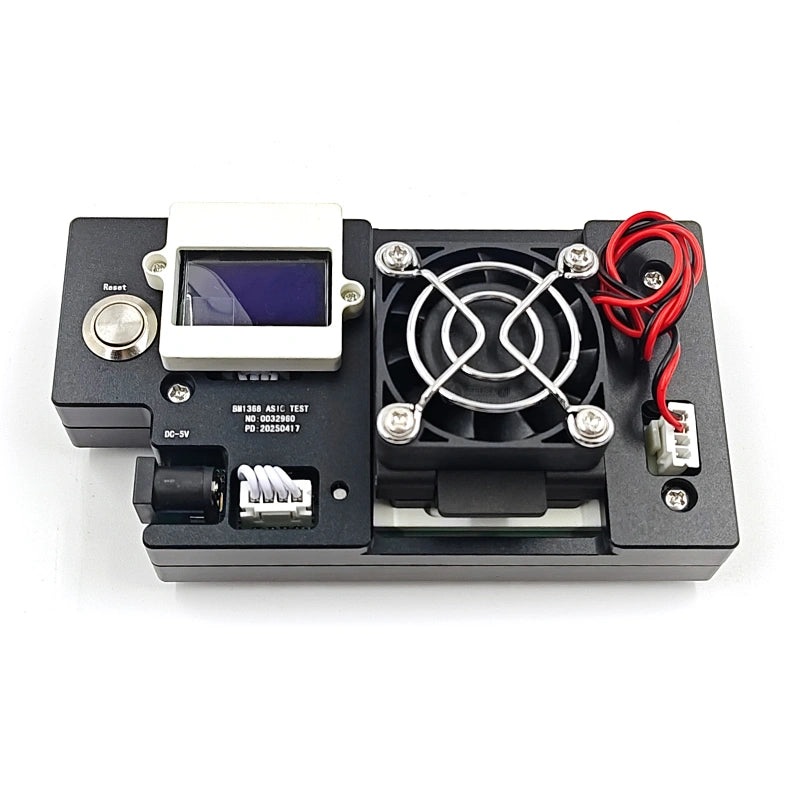
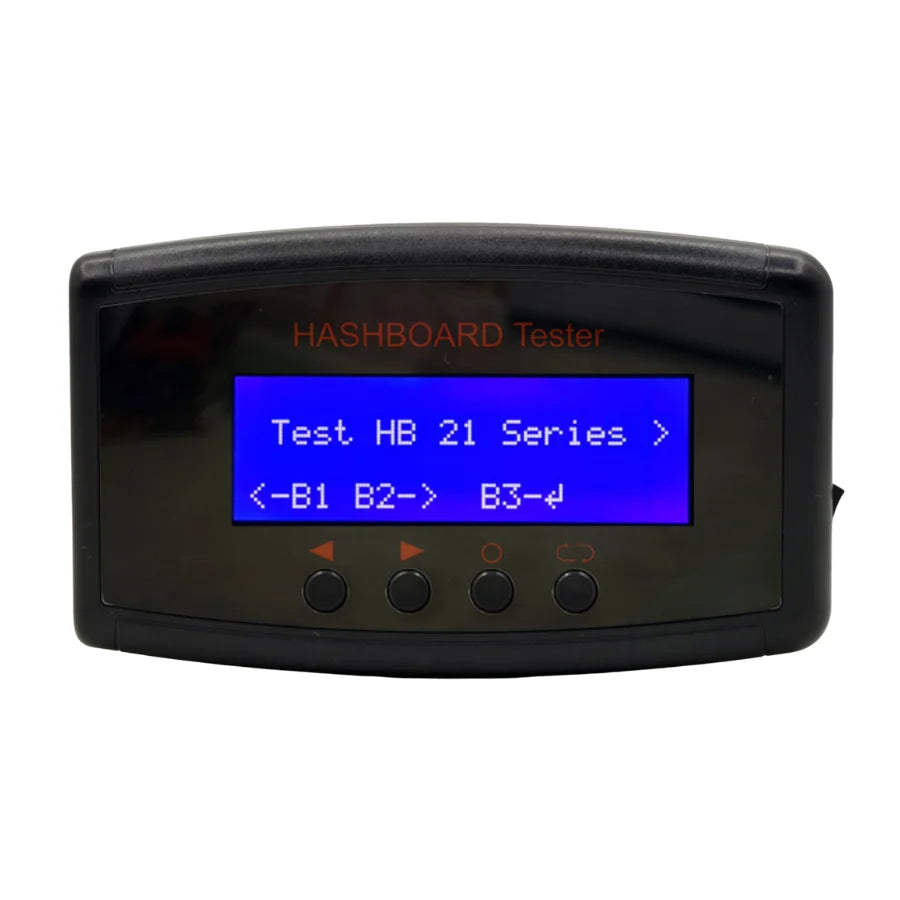
What it means for operators: The squeeze is real, especially for operators carrying debt or running less efficient hardware. The silver lining: miners who survive the margin compression will benefit when weaker competitors capitulate and difficulty adjusts downward. In the meantime, controlling costs — particularly through in-house repair rather than new hardware purchases — is survival strategy. Keep your test fixtures busy.
4. Bitmain, MicroBT & Canaan All Announce US Factory Plans
All three major ASIC manufacturers are now moving toward US-based production — a direct response to the tariff environment.
Bitmain, which controls an estimated 82% of global Bitcoin ASIC production, plans to launch its first US manufacturing facility by early-to-mid 2026, with a new headquarters in either Texas or Florida and approximately 250 local hires in the first phase. Full-scale manufacturing is expected by end of year.
Canaan has started trial production in the US following the April 2 tariff announcement, though the company describes the initiative as "exploratory" given tariff volatility. MicroBT says it is "actively implementing a localization strategy in the US" to avoid tariff impact.
The strategic context is significant: America controls 38% of global Bitcoin hashrate, but 97% of the hardware powering it comes from China. The Mined in America Act (see item 5 in next week's roundup) is pushing to close that gap.
What it means for operators: US-assembled machines could eventually reduce tariff exposure, but don't expect relief in 2026. Factory buildouts take 12–18 months to reach meaningful volume. In the interim, the global spare parts supply chain remains rooted in Shenzhen — Whatsminer and Antminer components are still sourced from China regardless of where final assembly happens.
5. Difficulty Drops 2.43% — A Brief Breather
Bitcoin mining difficulty fell 2.43% on April 17, settling at 135.59 trillion. This follows a much larger 7.76% drop on March 21 — one of the biggest single downward adjustments in Bitcoin's history.
The back-to-back drops reflect Q1's capitulation event: miners who couldn't cover power costs at $0.05+/kWh shut down, and the network adjusted accordingly. The good news for surviving operators — hashprice has climbed 13.65% between March 18 and April 18, providing short-term relief.
The next difficulty adjustment is estimated around May 1, and current projections suggest a modest increase back to approximately 135.8–137.4 trillion.
What it means for operators: Lower difficulty = more BTC per hash for those still running. If you mothballed machines during the Q1 squeeze, now may be the window to bring them back online — especially if they're current-gen units that just needed a fan swap or hashboard repair. A few hundred dollars in spare parts to revive a dormant S21 looks very different at 135T difficulty than it did at 143T.
The LYS Technical Team is based in Shenzhen, China, where we operate a dedicated ASIC mining hardware repair workshop and parts supply operation. We ship spare parts, repair components, and diagnostic tooling to mining operators in over 40 countries. Every article we publish is written and reviewed by working repair technicians who service Antminer, Whatsminer, and Avalon hardware daily.
Keep Your Fleet Running
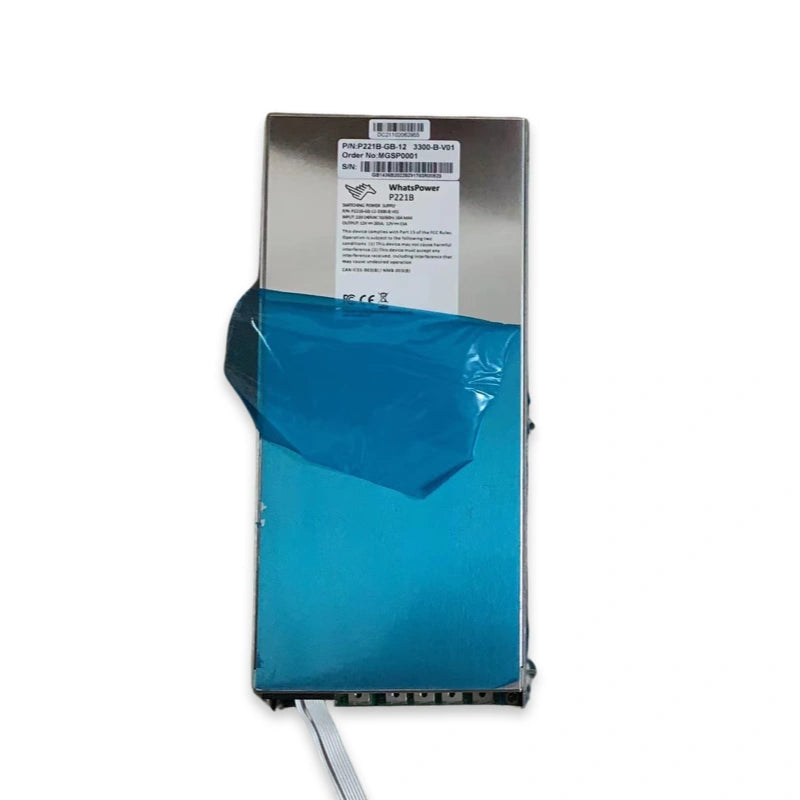
In a high-tariff, tight-margin environment, repair economics beat replacement economics. We carry the full parts catalog for Antminer and Whatsminer fleets — chips, fans, control boards, PSUs, test fixtures, and tools.
→ Test Fixtures & Diagnostic Tools
For bulk parts pricing or help deciding what to stock for your fleet, contact us at contact@lys-sz.com or via WhatsApp.